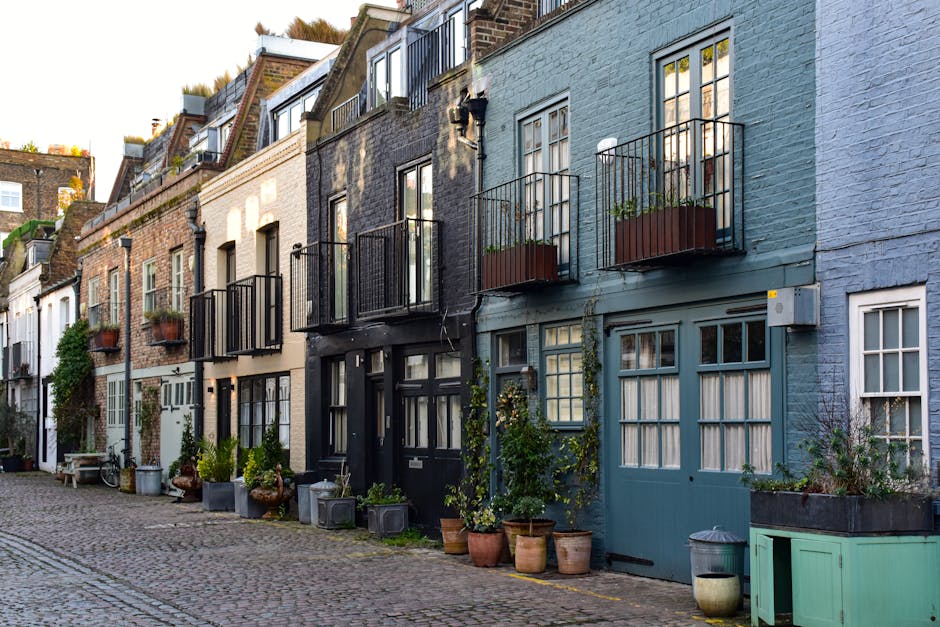
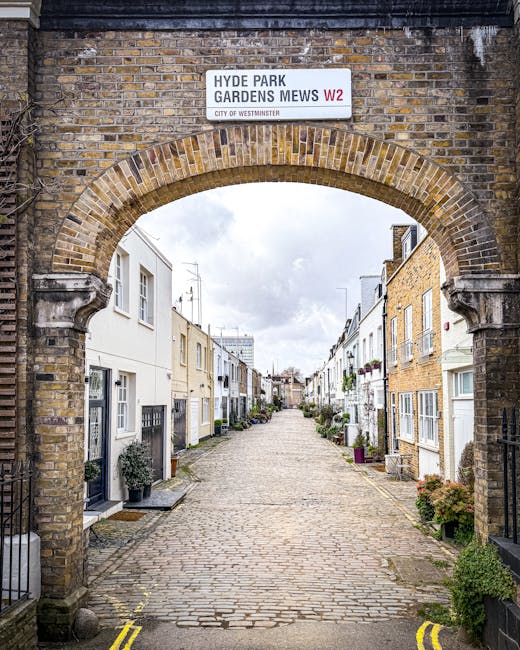
Brompton Road gardeners for terraces and mews gardens
If you live near Brompton Road, you already know the outdoor space is often the most valuable "room" you have. A compact terrace, a narrow mews garden, or even a small courtyard can feel like a luxury, but only if it's looked after properly. That's where Brompton Road gardeners for terraces and mews gardens really make a difference. They understand tight access, privacy, shade, wind tunnels between buildings, and the slightly awkward reality of trying to make a small London garden feel calm, green, and usable.
Truth be told, these gardens ask for a different kind of care. They are not big suburban lawns where you can just mow, trim, and walk away. They need design judgement, seasonal timing, and a steady hand. In this guide, you'll find practical advice on how gardeners approach terraces and mews plots, what good service looks like, how to avoid costly mistakes, and what to expect if you're planning a refresh, regular maintenance, or a complete rethink of the space.
Whether you want more structure, better planting, or simply a garden that stops looking tired by mid-summer, this article walks through the essentials in plain English. And yes, we'll keep it grounded in real London conditions.
Table of Contents
- Why Brompton Road gardeners for terraces and mews gardens Matters
- How Brompton Road gardeners for terraces and mews gardens Works
- Key Benefits and Practical Advantages
- Who This Is For and When It Makes Sense
- Step-by-Step Guidance
- Expert Tips for Better Results
- Common Mistakes to Avoid
- Tools, Resources and Recommendations
- Law, Compliance, Standards, or Best Practice
- Options, Methods, or Comparison Table
- Case Study or Real-World Example
- Practical Checklist
- Conclusion
- Frequently Asked Questions
Why Brompton Road gardeners for terraces and mews gardens Matters
Terraces and mews gardens around Brompton Road sit in a very particular part of London life. Space is tight, light can be patchy, and the garden often needs to work hard: a place to sit, somewhere that looks smart from the house, and planting that still feels alive in winter. Good gardening here is less about making a space "bigger" and more about making it feel coherent.
That matters because small gardens show every decision. A mismatched pot, an overgrown climber, or one plant that hates the conditions can dominate the whole view. On the other hand, a well-planned terrace with layered planting, clean lines, and sensible maintenance can feel quietly beautiful all year. Not flashy. Better than that. Calm.
Brompton Road itself sits in a neighbourhood where appearance, practicality, and discretion often matter just as much as horticultural skill. Gardeners working in this area need to be comfortable with compact spaces, shared walls, limited storage, and the realities of working around residents, neighbours, and sometimes very little room for access. That local awareness is worth a lot.
If your garden is overlooked by neighbouring windows or enclosed by high walls, the solution is rarely just "add more plants." It's about matching the right plant shapes, textures, and maintenance routine to the space. A skilled gardener will usually start with what the garden already gives you: light levels, prevailing wind, drainage, and how you actually use the area. That first reading of the space saves a lot of hassle later.
For broader garden upkeep support, many homeowners also look at related services such as regular garden maintenance and professional landscaping, especially where a terrace needs both tidy upkeep and a more considered design refresh.
How Brompton Road gardeners for terraces and mews gardens Works
In practical terms, the process usually starts with a visit and a proper look at the space. A good gardener will not just glance at the beds and leave. They'll note the direction of light, drainage, what's growing well, what looks stressed, and whether the hard landscaping is helping or making life harder. Sometimes the issue is obvious - a pot that dries out too quickly, for example. Other times it's quieter, like poor soil depth beneath paving or a climber planted in the wrong spot years ago.
From there, the work often falls into a few common categories:
- Regular maintenance such as pruning, weeding, feeding, and deadheading.
- Seasonal planting to keep terraces looking good through the year.
- Structural tidy-ups for hedges, climbers, and container arrangements.
- Problem-solving for shade, drought, wind exposure, or restricted access.
- Design-led improvements when the garden needs a more substantial rethink.
The work is often quite layered. For example, a mews garden may need one visit for a full clear-out and cut-back, then a follow-up after a few weeks to adjust the shape and swap in fresh planting. That second visit is the bit people sometimes overlook. Gardens, especially small ones, rarely reveal their full character in one go.
Good gardeners also think in seasons. Spring planting is not the same as autumn planting. Shade-loving plants behave differently in a north-facing courtyard than in a sunny upper terrace. Even watering habits change depending on whether you're dealing with terracotta pots, built-in planters, or a border that gets blasted by afternoon sun. A professional will usually plan with all of that in mind instead of trying to force a generic solution.
If you're comparing local support, it can help to explore a Knightsbridge gardeners service alongside Brompton Road options, especially if your property sits near the border of both areas and you want a team that understands central London garden layouts.
Key Benefits and Practical Advantages
There are obvious benefits to hiring an experienced gardener, but for terraces and mews gardens the less obvious gains are often the most valuable. A tidy garden is nice. A garden that works hard without becoming high-maintenance is better.
1. Better use of limited space
Small gardens can become cluttered very quickly. A good gardener helps decide what deserves space and what doesn't. That might mean removing tired planting, simplifying a border, or replacing awkward pots with a cleaner arrangement that gives the eye a bit of breathing room.
2. Healthier planting
In compact gardens, one poorly placed plant can affect the whole area. You'll notice the difference when plants are matched to the light and soil conditions. Less stress. Less failure. Fewer last-minute replacements.
3. A more polished look from the house
Terraces often act like an extension of the living room, particularly in warmer months. A smartly kept garden changes how the whole property feels. Not just for visitors. For you, too, on a Tuesday morning with a mug of tea and a bit of quiet.
4. Easier ongoing maintenance
Well-chosen planting and a sensible schedule reduce the amount of reactive work. That means fewer emergency rescues and less time spent fighting nature, which, to be fair, nature usually wins anyway.
5. Better privacy and comfort
Careful use of screening plants, climbers, and layered planting can soften overlooking and make a terrace feel more enclosed in a good way. That can be a huge improvement in central London.
Expert summary: the best terrace and mews garden work does not try to make a small space look like a big one. It makes the space feel intentional, calm, and easy to live with.
Who This Is For and When It Makes Sense
This kind of service is a strong fit if your garden is small, private, and fairly design-sensitive. That includes homeowners, landlords, residents' associations, and anyone who wants the outside space to look polished without becoming a second job.
You may especially benefit if:
- your terrace gets too hot, too dry, or too shaded in parts;
- your mews garden has awkward access or narrow side passages;
- plants keep failing because the conditions were never properly assessed;
- you want a garden that looks good year-round rather than just in peak summer;
- you have a property view from the house that now feels messy or underused;
- you need regular maintenance but don't want to micromanage it.
It also makes sense if you've inherited a garden that "sort of works" but never quite feels finished. That's very common in mews properties and period terraces. Often the structure is there, but the planting needs editing. A little restraint goes a long way.
For larger updates, you may also want to read about seasonal planting plans and irrigation support, since both can make a surprising difference in compact urban gardens where pots dry out quickly.
Step-by-Step Guidance
If you're approaching a terrace or mews garden project for the first time, it helps to break the work into sensible stages. Fancy plans are all very well, but small gardens usually respond best to clear, practical steps.
Step 1: Assess the space honestly
Start with the basics: sun, shade, drainage, access, and how much time you actually want to spend maintaining the garden. A north-facing courtyard with little direct sun needs a different plant palette than a bright west-facing terrace. If you skip this bit, you end up fighting the site, and that gets old fast.
Step 2: Decide what the garden must do
Ask yourself what matters most. Is it a place to sit? A screen from neighbours? Somewhere fragrant? Somewhere that still looks neat when you're away for two weeks in August? It sounds simple, but these answers shape everything else.
Step 3: Remove what no longer earns its place
Small gardens often become crowded with pots, half-suitable shrubs, or planting that was lovely three summers ago and now just looks grumpy. This is where a skilled gardener can be very helpful. It's easier to improve a space by removing the wrong thing than by endlessly adding more.
Step 4: Build structure first
Think about the bones of the garden: edging, planters, climbers, screening, small trees, or a few strong evergreen shapes. Then layer softer planting around that structure. In a terrace garden, structure matters because it stops the space feeling flat.
Step 5: Add planting for rhythm and seasonality
Choose a mix of evergreen and seasonal plants so the garden always has something going on. Texture is often more valuable than quantity. One elegant fern, one clipped box alternative, and one good flowering plant can do more than a random bundle of bright colours. Really, it can.
Step 6: Set a maintenance routine
Once the garden is set up properly, keep it under control. That might mean fortnightly or monthly visits, depending on growth and the level of finish you want. The rhythm matters more than heroic one-off efforts.
Expert Tips for Better Results
Experienced gardeners tend to think a little differently about small London plots. Here are some practical habits that make a real difference.
- Use repetition deliberately. Repeating a few plants or pot styles creates calm. Too much variety can make a small garden feel busy.
- Prioritise winter form. In London, the garden is seen in bare months as much as in June. Shape matters.
- Watch watering habits closely. Containers near walls can dry out fast, especially on warm, reflected-sun days.
- Choose plants for actual conditions, not wishful ones. A plant label saying "full sun" is not a promise if your terrace only gets two bright hours.
- Leave room for movement. If you can't comfortably walk, open doors, or move a chair, the layout is too tight.
- Prune for shape, not just size. Small spaces need clean outlines, especially with climbers and shrubs.
One more thing: don't underestimate scent. A modest planter with herbs or a well-placed jasmine can lift a whole terrace. You notice it in the evening, just as the light goes soft and the street quiets down a bit.
If you want more of the visual side handled professionally, some homeowners also pair garden care with planting design support and tree and shrub care so the whole scheme feels joined up rather than patched together.
Common Mistakes to Avoid
Small gardens are unforgiving in a few specific ways. The same mistakes show up again and again, and they are easy to miss at first.
- Choosing plants that are too large. A shrub that looks modest in the nursery can swallow a terrace in a year or two.
- Ignoring drainage. Raised planters and containers can still hold too much water if the base is poorly prepared.
- Overcrowding. New garden owners often want instant fullness. Fair enough. But overcrowding usually means weaker growth later.
- Using too many different materials. Too many pot colours, finishes, and textures can make the space feel restless.
- Skipping seasonal maintenance. A garden can look fine in May and unravel by late summer if nobody is cutting back, feeding, or rebalancing it.
- Forgetting the view from inside. In terraces, the garden is often experienced through windows and doors more than from the middle of the space.
Another quiet mistake is assuming all gardeners do the same thing. They don't. Some are brilliant at maintenance, some at planting design, some at practical problem-solving. If your garden needs a careful combination of all three, make sure the service matches that brief.
Tools, Resources and Recommendations
Good garden care is partly about skill, partly about the right equipment. For terraces and mews gardens, compact tools are often better than heavy kit. You want precision, not brute force.
Useful tools and materials often include:
- sharp secateurs for clean pruning cuts;
- lightweight shears for shaping hedging and topiary;
- watering cans or hose systems suited to container planting;
- quality compost and slow-release feed for pots;
- mulch to help retain moisture in beds and planters;
- stable pots with proper drainage holes;
- plant ties and soft supports for climbers.
Resources matter too. A reliable gardener will often bring a plant list, a seasonal maintenance plan, and practical notes on what needs watching over the next few weeks. That kind of continuity is underrated. It stops the garden drifting.
If your outdoor space is part of a wider property plan, it may also help to look at garden design services, especially where terrace planting needs to work alongside paving, lighting, or seating.
Law, Compliance, Standards, or Best Practice
For most terrace and mews garden work, the main concern is good practice rather than complex regulation. That said, there are a few sensible points to keep in mind in London.
Gardeners should work carefully around shared boundaries, neighbouring properties, access routes, and any existing drainage or built structures. If climbing plants, hedges, or trees could affect walls, drains, or windows, it is worth handling them conservatively and with notice where needed. In older properties, especially, what looks like a simple pruning job can reveal brickwork, wiring, or hidden defects.
Waste removal should be managed responsibly, and contractors should be clear about where green waste goes. Where work is near party walls, boundary features, or shared access, best practice is to communicate early and avoid assumptions. That's not just polite. It prevents awkwardness later.
On safety, any ladder work, tool use, and material handling should be carried out in a sensible, professional way. If a job involves higher pruning, awkward access, or heavier landscaping tasks, it is fair to ask how it will be done and whether the gardener has the right equipment.
For peace of mind, many clients also ask about insurance, maintenance frequency, and who is responsible for keeping gates, paths, and access areas clear during visits. Simple questions, but useful ones.
Options, Methods, or Comparison Table
There is no single right way to care for a terrace or mews garden. The best option depends on how you use the space, how much time you have, and how polished you want the result to feel. Here's a simple comparison.
| Approach | Best for | Strengths | Trade-offs |
|---|---|---|---|
| Regular maintenance visits | Busy homeowners and landlords | Keeps the garden tidy, manageable, and healthy | May not solve deeper layout or planting issues |
| One-off tidy and reset | Overgrown or neglected gardens | Fast improvement, useful before events or sale | Needs follow-up to stay looking good |
| Planting redesign | Spaces that feel dull, patchy, or unbalanced | Improves structure, seasonality, and visual quality | Costs more upfront and takes a little patience |
| Full garden makeover | Long-term changes and significant problem-solving | Can transform how the whole outdoor area works | More planning, more disruption, more decisions |
For many Brompton Road properties, the sweet spot is a blend: a tidy reset, a sharper planting plan, and then light regular maintenance. That combination often gives the most satisfying result without turning the garden into a project that never ends.
Case Study or Real-World Example
Here's a realistic example from the kind of work that comes up again and again in central London. A narrow mews garden had decent bones but felt oddly tired. The planting was a mix of mature shrubs, a few underperforming pots, and a climber that had clearly decided it owned the place. Lovely in a way, but a bit unruly.
The first step was not a dramatic redesign. It was editing. Overgrown material was cut back carefully, the most awkward pots were removed, and the border structure was clarified. Then the planting was rebuilt around a smaller number of stronger choices: evergreen forms for winter, a couple of flowering plants for seasonal lift, and better spacing so each element could breathe.
The result was not a "new" garden in the glossy magazine sense. It was better than that. It looked intentional. The windows now had a clear view, the garden felt deeper, and the upkeep became much easier. On a damp April morning, it also smelled cleaner and greener, which sounds minor until you experience it. Then it matters.
That kind of project is often more successful than trying to pack every idea into one tiny space. Less noise. More confidence.
Practical Checklist
Use this checklist before you book work or start planning a terrace or mews garden refresh.
- Confirm how much sun and shade the garden gets across the day.
- Note whether the space is mainly for sitting, screening, planting, or all three.
- Check access for tools, materials, and green waste removal.
- Identify any plants that are failing, crowding, or causing maintenance problems.
- Decide whether you need maintenance, a tidy-up, planting design, or a larger redesign.
- Look at the garden from inside the house as well as outside.
- Choose a style that suits the property, not just what looked nice in a nursery.
- Ask about seasonal care, watering needs, and follow-up visits.
- Make sure any work near walls, boundaries, or shared access is handled carefully.
- Keep a simple record of what was planted and when it was last cut back.
If you can tick most of those boxes, you're already ahead of the game. Seriously.
Conclusion
Brompton Road gardeners for terraces and mews gardens bring something very specific to the table: the ability to make a small, valuable outdoor space work beautifully without overcomplicating it. That means understanding the light, the layout, the maintenance load, and the way the garden is actually used day to day.
The best results usually come from clear structure, sensible plant choices, and regular attention rather than dramatic gestures. If your garden feels cramped, patchy, or just a bit forgotten, the right local gardening support can make it feel calm and usable again. And in a city like London, that's no small thing.
Take the time to choose a service that understands compact spaces, seasonal rhythm, and the realities of terrace and mews living. A good garden doesn't shout. It settles the house. It gives you a little pause at the end of the day, and that counts for a lot.
Get a free quote today and see how much you can save.
Frequently Asked Questions
What do Brompton Road gardeners for terraces and mews gardens usually do?
They typically handle maintenance, pruning, planting, seasonal tidy-ups, container care, and design improvements tailored to compact urban gardens. In some cases, they also help with drainage, screening, and layout adjustments.
How often should a terrace garden be maintained?
It depends on the planting and how polished you want it to look. Some gardens need fortnightly attention in the growing season, while others do fine with monthly visits. Containers and fast-growing climbers often need more regular care.
Are mews gardens harder to look after than standard gardens?
Often, yes. Mews gardens can have limited access, reflective heat, awkward shade, and very little room for error. They also tend to show clutter quickly, so careful planning matters more than in a larger garden.
What plants work best in a small London terrace?
The best plants depend on light and exposure, but many small London gardens benefit from a mix of evergreens, compact shrubs, climbers, herbs, and seasonal flowering plants. A good gardener will choose plants for the actual conditions rather than just appearance.
Can a gardener help if my terrace gets too much shade?
Yes. Shade is a common issue in central London, especially in courtyards and mews properties. The right gardener can recommend shade-tolerant planting, improve structure, and make the space feel brighter without forcing unsuitable plants into it.
How do I know if I need garden maintenance or a full redesign?
If the garden is generally healthy but messy, maintenance may be enough. If the layout feels awkward, the planting is failing repeatedly, or the space never quite works, a redesign may be the better option.
What should I ask before hiring a gardener for my Brompton Road property?
Ask about experience with small urban gardens, plant knowledge, maintenance frequency, access requirements, waste removal, and whether they can provide both practical upkeep and design advice if needed.
Do terrace gardens need special watering care in summer?
Usually, yes. Pots and raised planters can dry out quickly, especially on warm or windy days. A sensible watering routine, mulch, and the right plant selection all help reduce stress in hot weather.
Can a gardener improve privacy in a mews garden?
They can often improve privacy through screening plants, climbers, layered planting, and better layout choices. The goal is usually to soften overlooking without making the garden feel boxed in.
Is regular garden maintenance worth it for a small space?
Very often, yes. Small gardens can go from tidy to untidy quite quickly, and regular care usually prevents bigger problems later. It also keeps the space usable, which is really the whole point.
What time of year is best for planting in a terrace or mews garden?
There isn't one single best time for every plant, but spring and autumn are often good planting seasons in the UK because temperatures are moderate and plants can establish more easily. A gardener can advise based on what is being planted.
How can I keep a small garden looking good between visits?
Keep it simple. Water containers properly, remove dead flowers, check for weeds, and avoid adding too many extra pots or ornaments. A little routine care makes a big difference in a small space.